
One-Stop Custom Precision Manufacturing Services
We specialize in precision machining solutions. We deliver comprehensive one-stop services, and offer a wide range of processing solutions. Flexible Contract & Custom Solutions for Both Bulk & Small-Batch Orders.
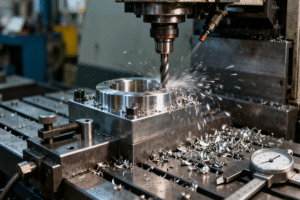
We specialize in high-precision CNC machining, delivering top-quality parts tailored to your exact specifications. Our state-of-the-art CNC machines turning milling drilling ensure accuracy and efficiency, making us your trusted partner for your machining needs.
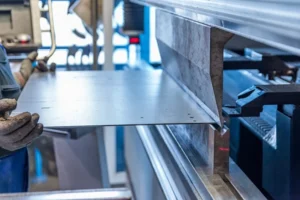
We offer expert sheet metal fabrication services, providing custom solutions for a wide range of industries. Our advanced fabrication techniques and skilled team ensure precision and durability in every customer project, from prototypes to scale production.
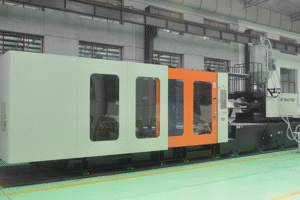
We excel in precision injection molding, producing high quality plastic parts tailored to your unique designs. Our advanced injection molding technology ensures consistent quality and efficiency, from small intricate parts to large-scale production runs.
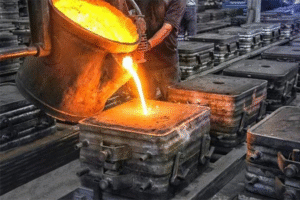
We provide expert casting services, specializing in creating complex metal components with exceptional accuracy. Our advanced casting together with other processes and strict quality control deliver durable, high-performance parts for diverse industrial applications.
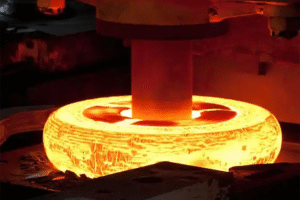
We offer expert forging services, producing strong, reliable metal components through precision shaping techniques. Our forging expertise ensures superior strength and structural integrity, ideal for high-stress parts and applications across various industries.
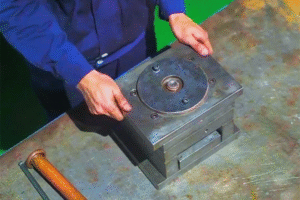
We specialize in custom mold making, crafting high-precision molds for injection molding, casting, and other manufacturing processes. Our skilled craftsmen and advanced technology ensure durable, accurate molds that deliver consistent results.
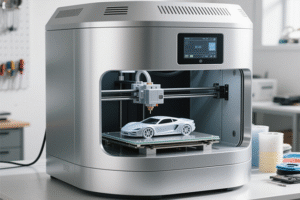
We provide cutting-edge 3D printing services, offering rapid prototyping and production solutions for complex designs. Our advanced 3D printing technologies enable quick turnaround times and design flexibility, perfect for iterative development and custom parts.

We specialize in rapid prototyping, providing precise and functional prototypes to help bring your ideas to life. Our advanced technology and skilled team ensure quick turnaround times and high-quality results, enabling you test and refine your designs efficiently.

We provide professional surface treatment services, delivering custom finishes that enhance the durability, aesthetics, and performance of your parts. Our techniques—from plating and coating to polishing and passivation—are tailored to your specific needs.
CNC Machining Services
- Turning Process
- Milling Process
- Drilling Process
- Boring Process
- Tapping Process
- Grinding Process
- EDM Process
This process at LumEdge Precision involves using computer-controlled lathes to rotate metal workpieces while cutting tools shape them into precise dimensions. This method ensures high accuracy and consistency, producing components with smooth finishes and tight tolerances. It is ideal for creating cylindrical parts such as shafts, bolts, and custom fittings.
- Material Types: Metals (e.g., aluminum, steel, brass), Plastics, and Composites.
- Turning Diameter: Typically ranges from 1 mm to 500 mm.
- Turning Length: Up to 2000 mm or more, depending on the machine.
- Tolerances: Can achieve tight tolerances, often within ±0.01 mm.
- Spindle Speed: Ranges from 100 to 6000 RPM.
- Surface Finish: Achievable surface roughness of Ra 0.8 µm or better.
- Tooling: Uses various cutting tools like carbide, high-speed steel (HSS), and ceramic inserts.
Our milling process involves using computer-controlled milling machines to remove material from a workpiece by rotating cutting tools. This method allows for precise shaping and detailing of complex parts with high accuracy. It is ideal for creating components with intricate geometries, such as gears, brackets, and custom-designed parts.
- Material Types: Metals (e.g., aluminum, steel, titanium), Plastics, and Composites.
- Milling Dimensions: Typically up to 1000 mm x 1000 mm x 500 mm.
- Tolerances: Can achieve tight tolerances, often within ±0.01 mm.
- Spindle Speed: Ranges from 1000 to 20000 RPM.
- Surface Finish: Achievable surface roughness of Ra 1.6 µm or better.
- Tooling: Uses various cutting tools like end mills, face mills, and ball nose cutters.
- Axes: Can operate on 3, 4, or 5 axes for complex geometries.
Our drilling process involves using computer-controlled drills to create precise holes in workpieces. This method ensures high accuracy and consistency, making it ideal for producing components with exact hole dimensions and placements. It is commonly used for creating holes for fasteners, threaded holes, and other detailed features in various materials.
- Material Types: Metals (e.g., aluminum, steel, titanium), Plastics, and Composites.
- Drilling Diameter: Typically ranges from 0.5 mm to 50 mm.
- Drilling Depth: Up to 10 times the diameter of the drill bit.
- Tolerances: Can achieve tight tolerances, often within ±0.05 mm.
- Spindle Speed: Ranges from 500 to 15000 RPM.
- Surface Finish: Achievable surface roughness of Ra 3.2 µm or better.
- Tooling: Uses various drill bits like twist drills, center drills, and step drills
Boring process at LumEdge Precision involves enlarging existing holes in a workpiece using computer-controlled boring tools. This method ensures high precision and accuracy, making it ideal for achieving tight tolerances and smooth finishes in cylindrical holes. It is commonly used for refining and finishing holes to exact dimensions, ensuring they meet specific specifications for various industrial applications
- Material Types: Metals (e.g., aluminum, steel, titanium), Plastics, and Composites.
- Boring Diameter: Typically ranges from 1 mm to 500 mm.
- Boring Depth: Up to 10 times the diameter of the boring tool.
- Tolerances: Can achieve tight tolerances, often within ±0.01 mm.
- Spindle Speed: Ranges from 100 to 6000 RPM.
- Surface Finish: Achievable surface roughness of Ra 1.6 µm or better.
- Tooling: Uses various boring tools like single-point boring bars and boring heads
Tapping process at LumEdge Precision involves using computer-controlled taps to create internal threads within holes. This method ensures high precision and consistency, making it ideal for producing threaded holes that meet exact specifications. It is commonly used for creating threads in various materials, allowing for secure fastening and assembly in mechanical components.
- Material Types: Metals (e.g., aluminum, steel, titanium), Plastics, and Composites.
- Tapping Diameter: Typically ranges from M1 (1 mm) to M36 (36 mm) threads.
- Tapping Depth: Up to 2.5 times the diameter of the tap.
- Tolerances: Can achieve tight tolerances, often within ±0.05 mm.
- Spindle Speed: Ranges from 100 to 3000 RPM.
- Surface Finish: Achievable surface roughness of Ra 3.2 µm or better.
- Tooling: Uses various taps like hand taps, spiral point taps, and forming taps
Grinding process at LumEdge Precision involves using computer-controlled grinding machines to remove material from a workpiece, achieving a high-precision surface finish. This method is ideal for refining surfaces to tight tolerances and achieving smooth finishes on metal and other materials. It is commonly used for finishing parts that require high accuracy and surface quality, such as gears, bearings, and precision tools.
- Material Types: Metals (e.g., steel, aluminum, titanium), Ceramics, and Composites.
- Grinding Diameter: Typically ranges from 1 mm to 500 mm.
- Grinding Depth: Up to 0.5 mm per pass.
- Tolerances: Can achieve very tight tolerances, often within ±0.005 mm.
- Spindle Speed: Ranges from 1000 to 10000 RPM.
- Surface Finish: Achievable surface roughness of Ra 0.8 µm or better.
- Tooling: Uses various grinding wheels like aluminum oxide, silicon carbide, and diamond wheels
Electrical Discharge Machining (EDM) process at LumEdge Precision uses electrical discharges to precisely remove material from a workpiece. This method is ideal for creating intricate shapes and fine details in hard materials that are difficult to machine with traditional methods. It is commonly used for producing molds, dies, and complex components with high precision and excellent surface finishes.
- Material Types: Hard metals (e.g., titanium, tungsten, hardened steels) and Conductive materials.
- Cutting Depth: Typically ranges from 0.1 mm to 500 mm.
- Tolerances: Can achieve very tight tolerances, often within ±0.005 mm.
- Surface Finish: Achievable surface roughness of Ra 0.2 µm or better.
- Electrode Materials: Commonly uses graphite, copper, and brass electrodes.
- Machining Speed: Varies based on material and electrode, but generally slower than conventional machining
Sheet Metal Fabrication
This process involves various techniques to shape and size metal sheets for manufacturing processes. Common methods include laser cutting, plasma cutting, and waterjet cutting, which ensure precision and efficiency. These processes are essential in producing high-quality components for various industries
- Material Types: Metals (e.g., aluminum, steel, stainless steel), and Alloys.
- Cutting Thickness: Typically ranges from 0.5 mm to 25 mm.
- Tolerances: Can achieve tight tolerances, often within ±0.1 mm.
- Cutting Methods: Laser cutting, plasma cutting, waterjet cutting, and mechanical cutting (e.g., shearing).
- Surface Finish: Depends on the cutting method, but laser cutting can achieve a smooth finish with minimal burrs.
- Cutting Speed: Varies based on material and thickness, with laser cutting being one of the fastest methods
Our bending process involves using a press brake to bend metal sheets into desired angles and shapes. This process is essential for creating parts with precise bends and tight tolerances, suitable for materials like aluminum, steel, and alloys. It ensures high accuracy and consistency, making it ideal for a wide range of industrial and commercial applications.
- Material Types: Metals (e.g., aluminum, steel, stainless steel), and Alloys.
- Bending Thickness: Typically ranges from 0.5 mm to 20 mm.
- Bending Radius: Generally, the minimum inside bend radius is equal to the material thickness.
- Tolerances: Can achieve tight tolerances, often within ±0.5 mm.
- Bending Methods: Press brake bending, roll bending, and air bending.
- Bending Angle: Can achieve angles from 0° to 180°.
- Tooling: Uses various dies like V-dies, U-dies, and custom dies
It is our process where a CNC machine uses a punch and die to create precise holes and shapes in metal sheets. This method is ideal for producing complex patterns and repetitive designs with high accuracy and efficiency. Suitable for materials like aluminum, steel, and alloys, it ensures tight tolerances and a clean finish, making it perfect for various industrial applications.
- Material Types: Metals (e.g., aluminum, steel, stainless steel), and Alloys.
- Punching Thickness: Typically ranges from 0.5 mm to 12 mm.
- Hole Size: Can create holes as small as 1 mm in diameter.
- Tolerances: Can achieve tight tolerances, often within ±0.1 mm.
- Punching Methods: CNC punching, turret punching, and single-station punching.
- Tooling: Uses various punches and dies, including round, square, and custom shapes.
- Punching Speed: Can perform up to 600 hits per minute, depending on the machine and material
This process involves joining metal sheets using advanced welding techniques such as MIG, TIG, and spot welding. These methods ensure precise and durable welds, suitable for various industrial applications. Our process guarantees high-quality results by adhering to strict material compatibility and technical specifications.
- MIG Welding: Ideal for thicker sheets, offering high-speed welding with minimal cleanup.
- TIG Welding: Provides precise and clean welds, perfect for thin sheets and intricate designs.
- Spot Welding: Suitable for joining overlapping metal sheets, commonly used in automotive and manufacturing industries.
- Aluminum: Requires specific settings to prevent oxidation and ensure strong welds.
- Stainless Steel: Needs controlled heat input to avoid warping and maintain strength.
- Carbon Steel: Versatile with various welding methods, providing robust and durable joints.
- Current and Voltage: Adjusted based on metal thickness and welding method.
- Welding Speed: Optimized to balance heat input and weld quality.
- Shielding Gas: Used in MIG and TIG welding to protect the weld pool from atmospheric contamination
The forming process is a manufacturing technique that involves the plastic deformation of materials, typically metals, to change their shape and size into the desired form and structure. This process utilizes various physical methods to manipulate the material, resulting in a product with specific geometrical characteristics.
- Bending: Using press brakes to bend metal sheets into specific angles and shapes.
- Stamping: Employing dies and presses to form complex shapes and patterns.
- Rolling: Passing sheets through rollers to create curved or cylindrical shapes.
- Aluminum: Requires careful handling to avoid cracking and maintain form integrity.
- Stainless Steel: Needs precise control to prevent deformation and ensure consistent shapes.
- Carbon Steel: Versatile for various forming methods, providing robust and durable components.
- Thickness Range: Depending on the forming method, can handle various sheet thicknesses.
- Tolerance Levels: Ensuring precise dimensions and consistency across formed parts.
- Forming Speed: Optimized to balance efficiency and quality of the formed components.
Injection Molding
Our mold design process is a collaborative, precision-driven workflow that transforms your part specifications into functional, production-ready molds. Here’s how we ensure optimal results:
- Requirements Analysis: We start by deep diving into your part design (CAD files, material choices, and performance needs) to align mold design with your production goals—whether for high-volume runs, complex geometries, or tight tolerance parts.
- 3D Modeling & Engineering: Using advanced CAD software (SolidWorks, AutoCAD), our engineers create detailed 3D models of the mold, focusing on critical elements like parting lines, gate placement (hot/cold runners), ejection systems, and venting to prevent defects.
- Simulation & Validation: We employ CAE (Computer-Aided Engineering) tools to simulate filling, cooling, and pressure distribution, identifying potential issues (e.g., air traps, warpage) early to refine the design before manufacturing.
- Material Selection: Molds are crafted from high-grade materials (e.g., P20, H13, S136) based on your production volume—ensuring durability for 100k+ cycles for mass production, or cost-effective options for prototyping.
- Design Sign-Off: Before manufacturing, we share 3D renderings and simulation reports for your approval, ensuring the mold design meets your exact specifications and production requirements.
Our material preparation process is a critical step in ensuring consistent injection molding quality, tailored to your part’s performance requirements and production needs:
- Material Selection & Sourcing: We work with certified suppliers to source high-grade raw materials—including thermoplastics (ABS, PP, PC, nylon), engineering resins (POM, PEEK), and specialty blends—matching material properties (strength, heat resistance, flexibility) to your part’s end-use (e.g., automotive, medical, consumer goods).
- Drying & Conditioning: Hygroscopic materials (e.g., nylon, PC) undergo controlled drying using dehumidifying dryers to reduce moisture content (typically below 0.02%)—preventing defects like bubbles, or surface irregularities in the final part.
- Blending & Color Matching: For custom colors or material blends (e.g., flame-retardant additives, glass fiber reinforcement), our precision mixers ensure uniform distribution, with color samples validated against your specifications before production.
- Quality Testing: Each batch of material undergoes pre-production checks—including melt flow rate (MFR) testing, density measurement, and visual inspection—to confirm consistency with industry standards and your design requirements.
Our injection process utilizes advanced injection molding machines to inject molten plastic materials into precision-engineered molds. This method enables the mass production of complex, high-precision plastic components with consistent quality — ideal for parts with intricate details, undercuts, or uniform wall thicknesses.
- Material Types: Thermoplastics (e.g., ABS, PP, PC, nylon), thermosetting plastics, and elastomers.
- Molding Dimensions: Typically up to 1000 mm (length) × 800 mm (width) × 600 mm (height) (varies by mold size).
- Tolerances: Achieve tight tolerances, often within ±0.05 mm for small components.
- Injection Speed: Ranges from 10 mm/s to 300 mm/s (adjusted for material/part design).
- Cooling Time: Varies by part thickness, typically 10–120 seconds.
- Surface Finish: Achievable roughness from Ra 0.8 μm to Ra 3.2 μm (or smoother with post-processing).
- Cycle Time: Typically 10–60 seconds per cycle for small to medium parts.
Our cooling and ejection systems are engineered to ensure precise part formation, dimensional stability, and efficient production flow—critical for maintaining quality in high-volume or complex injection molding projects.
- Cooling System Design: We integrate strategically placed cooling channels (matching part geometry with conformal cooling where needed) to 均匀 distribute coolant (typically water or oil). This ensures consistent cooling across the mold cavity, reducing cycle times (by 15-30% in optimized designs) and preventing defects like warpage, sink marks, or uneven shrinkage.
- Temperature & Flow Control: Advanced thermostats and flow meters regulate cooling temperatures (often 15–60°C, adjusted for material type) and coolant velocity, ensuring the plastic solidifies uniformly while avoiding over-cooling that could compromise part integrity.
- Ejection System Selection: Based on part design (e.g., thin walls, deep cavities, or delicate surfaces), we use tailored ejection mechanisms—including ejector pins, sleeves, stripper plates, or air ejection—to gently release parts without damage. For complex geometries, we employ sequential ejection to minimize stress on the part.
- Smooth Release Optimization: We fine-tune ejection timing (synchronized with cooling completion) and pressure to prevent surface scuffs, cracks, or deformation. For sticky materials (e.g., soft plastics), we may use specialized mold releases (when compatible with your part’s end-use) to ensure clean, consistent ejection
Our post-processing services refine injection-molded parts to meet exact aesthetic, functional, or assembly requirements—ensuring the final product exceeds your expectations.
- Deburring & Trimming: We remove excess material (e.g., gate vestiges, flash) using precision tools, tumbling, or cryogenic deburring—creating smooth edges and surfaces without damaging critical features.
- Surface Finishing: From cosmetic enhancements to functional coatings, options include polishing (for a glossy finish), texturing (for grip or visual effects), painting, pad printing, and laser marking (for branding/identification).
- Heat Treatment: For materials like nylon or PEEK, annealing or stress-relieving processes reduce internal stresses, enhancing dimensional stability and long-term durability (especially for parts under mechanical load).
- Assembly & Secondary Operations: We integrate inserts (metal threads, bearings), perform ultrasonic welding, or assemble multi-component parts into sub-assemblies—streamlining your supply chain by delivering ready-to-use components.
- Quality Inspection: Post-processing concludes with thorough checks (dimensional measurement, visual inspection, functional testing) to verify each part meets your specifications before shipment.
Casting
Our die casting process forces molten metal under high pressure into reusable steel molds (dies), enabling high-precision, mass production of metal components with consistent quality. This method is perfect for creating complex shapes with thin walls and fine details, suitable for high-volume manufacturing.
- Material Types: Ferrous metals (e.g., iron, steel), Non-ferrous metals (e.g., aluminum, copper, brass).
- Casting Weight Range: From 0.5 kg to 1000 kg (varies by mold size and metal type).
- Tolerances: Typically ±0.5 mm to ±1.0 mm (tighter tolerances possible with post-processing).
- Surface Finish: As-cast finish around Ra 12.5 μm to Ra 25 μm (improved with grinding or machining).
- Mold Material: Green sand, resin-bonded sand, or chemical-bonded sand.
- Lead Time: Short tooling lead times (ideal for prototyping or small batches).
Our die casting process forces molten metal under high pressure into reusable steel molds (dies), enabling high-precision, mass production of metal components with consistent quality. This method is perfect for creating complex shapes with thin walls and fine details, suitable for high-volume manufacturing.
- Material Types: Non-ferrous metals (e.g., aluminum, zinc, magnesium alloys).
- Casting Weight Range: Typically 0.1 kg to 10 kg (varies by die design).
- Tolerances: Can achieve tight tolerances, often within ±0.05 mm to ±0.1 mm.
- Surface Finish: Smooth as-cast finish around Ra 3.2 μm to Ra 6.3 μm (ready for immediate use or light finishing).
- Cycle Time: Fast cycle times, ranging from 15 seconds to 2 minutes per part.
- Mold Lifespan: Up to 100,000+ cycles for zinc alloys, 50,000+ cycles for aluminum alloys.
Our investment casting (lost-wax casting) process creates highly precise, complex metal parts with exceptional surface quality and detail. It involves creating a wax pattern, coating it in ceramic slurry (to form a mold), melting out the wax, and pouring molten metal into the ceramic mold—ideal for intricate geometries or parts requiring minimal post-processing.
- Material Types: Stainless steel, carbon steel, aluminum, titanium, superalloys.
- Casting Weight Range: From 0.01 kg to 10 kg.
- Tolerances: Can achieve tight tolerances, often within ±0.1 mm to ±0.25 mm.
- Surface Finish: Excellent as-cast finish around Ra 1.6 μm to Ra 6.3 μm (near-net shape).
- Complexity: Capable of producing parts with undercuts, thin walls (down to 0.5 mm), and fine features.
- Lead Time: Moderate lead times (ideal for prototypes or low-volume, high-precision parts).
Our centrifugal casting process uses centrifugal force to distribute molten metal into a rotating mold, ensuring uniform density and minimal porosity—ideal for producing seamless, hollow cylindrical components (e.g., pipes, sleeves, rings). The centrifugal force pushes metal against the mold wall, creating parts with enhanced structural integrity.
- Material Types: Ferrous metals (e.g., cast iron, steel), Non-ferrous metals (e.g., copper, aluminum alloys).
- Casting Shape: Primarily cylindrical (hollow tubes, rings, sleeves) or symmetric components.
- Outer Diameter Range: Typically from 50 mm to 2000 mm (varies by equipment).
- Wall Thickness: From 5 mm to 100 mm.
- Tolerances: Radial tolerances within ±0.2 mm to ±0.5 mm (improved with machining).
- Surface Finish: As-cast finish around Ra 6.3 μm to Ra 12.5 μm (outer surface smoother due to centrifugal force).
- Porosity Control: Significantly reduces internal porosity compared to static casting methods.
Our gravity casting process relies on the force of gravity to fill molds with molten metal, enabling precise, complex part production with excellent material utilization. This method is ideal for components with intricate geometries or thick walls (e.g., engine blocks, valve bodies), as gravity ensures slow, controlled filling to minimize defects.
- Material Types: Aluminum alloys, copper alloys, cast iron, stainless steel.
- Casting Complexity: Suitable for parts with undercuts, internal cavities, or multi-feature designs.
- Weight Range: From 0.5 kg to 200 kg (varies by mold size).
- Tolerances: Can achieve tolerances within ±0.3 mm to ±0.8 mm (tighter with post-processing).
- Surface Finish: As-cast finish around Ra 6.3 μm to Ra 12.5 μm (smoothness enhanced by mold design).
- Mold Types: Permanent molds (metal molds for repeatability) or sand molds (for low-volume, large parts).
- Cycle Time: Varies by part size, typically 5–30 minutes per casting (plus cooling time).
Forging
Our open die forging process uses hammering or pressing forces on unenclosed dies to shape metal, enabling flexibility in creating large, custom components. This method is ideal for forging shafts, cylinders, or bespoke parts where geometry can be adjusted during production.
- Material Types: Carbon steel, alloy steel, stainless steel, titanium, aluminum alloys.
- Forging Weight Range: From 10 kg to 50,000 kg (suited for large-scale parts).
- Tolerances: Typically ±1 mm to ±5 mm (refined with subsequent machining).
- Surface Finish: As-forged finish around Ra 6.3 μm to Ra 25 μm (improved via grinding/machining).
- Equipment: Power hammers, hydraulic presses (up to 50,000-ton capacity).
- Applications: Heavy machinery parts, aerospace components, industrial rollers.
Our closed die forging process shapes metal within precision-engineered closed dies, ensuring consistent geometry and repeatability for mass production. By pressing metal into the die cavity, we produce complex shapes with minimal waste—ideal for automotive parts, fasteners, or gears.
- Material Types: Carbon steel, alloy steel, aluminum, copper alloys.
- Forging Weight Range: From 0.1 kg to 100 kg (varies by die design).
- Tolerances: Achieve tight tolerances, often within ±0.2 mm to ±1.0 mm.
- Surface Finish: As-forged finish around Ra 3.2 μm to Ra 12.5 μm (ready for light finishing or direct use).
- Cycle Time: Fast cycle times, 10 seconds to 5 minutes per part.
- Die Lifespan: Up to 100,000+ cycles for steel alloys.
Our roll forging process shapes metal using two rotating, contoured rolls that progressively form the material as it passes between them. This method efficiently reduces cross-sections, elongates workpieces, or creates symmetrical profiles—ideal for producing long, slender parts with consistent dimensions.
- Material Types: Carbon steel, alloy steel, aluminum, titanium alloys.
- Forging Geometry: Specialized for rod-like, cylindrical, or tapered parts (e.g., axles, tool shanks, automotive control arms).
- Length Range: Typically 50 mm to 3,000 mm (adjustable via roll design).
- Tolerances: Achievable within ±0.3 mm to ±1.0 mm (excellent for linear dimensions).
- Surface Finish: As-forged finish around Ra 6.3 μm to Ra 12.5 μm (smooth, with minimal scale).
- Efficiency: High production rates (up to 300 parts per hour) due to continuous rolling action.
- Applications: Agricultural machinery components, aerospace linkages, and industrial tool blanks.
Our cold forging process deforms metal at room temperature using high-pressure presses, enhancing material strength (via work hardening) while delivering exceptional surface finish and dimensional accuracy. Perfect for precision components like bolts, nuts, or automotive fittings.
- Material Types: Low-carbon steel, aluminum, copper, brass.
- Forging Complexity: Suited for parts with threads, splines, or multi-step geometries.
- Weight Range: From 0.01 kg to 5 kg.
- Tolerances: Tight tolerances, often within ±0.05 mm to ±0.2 mm.
- Surface Finish: Excellent as-forged finish around Ra 1.6 μm to Ra 6.3 μm (near-net shape, minimal post-processing).
- Strength Enhancement: Increases tensile strength by 20–30% vs. hot-forged parts.
Our upsetting process (also called heading) applies axial pressure to a metal blank, increasing its cross-sectional area while reducing length—perfect for creating bulky features on slender parts (e.g., bolt heads, rivet heads, or flanges).
- Material Types: Low-carbon steel, medium-carbon steel, aluminum, copper.
- Forging Focus: Enhances localized thickness (e.g., forming heads on fasteners or bosses on shafts).
- Blank Size: Diameters from 3 mm to 100 mm; lengths from 10 mm to 500 mm.
- Tolerances: Tight control over upset dimensions, typically ±0.1 mm to ±0.5 mm for critical features.
- Surface Finish: Smooth, with as-forged finish around Ra 3.2 μm to Ra 6.3 μm (ideal for subsequent threading or assembly).
- Strength Benefit: Work hardening during upsetting increases localized strength by 15–25%.
- Applications: Fasteners (bolts, screws), automotive studs, and mechanical connectors.
Mold Making
Our injection mold making process crafts precision molds for plastic injection molding, enabling the mass production of consistent, high-quality plastic components. We use advanced machining and tooling techniques to create molds with intricate cavities, gates, and cooling channels—ensuring optimal part formation and efficient production cycles.
- Material Types for Molds: Tool steel (e.g., P20, H13, S136), aluminum (for low-volume or prototype molds).
- Mold Cavity Count: Single-cavity (for prototypes) to multi-cavity (for high-volume production).
- Tolerances: Achieve tight mold tolerances, often within ±0.02 mm (critical for part precision).
- Surface Finish of Mold: Polished to Ra 0.2 μm to Ra 0.8 μm (for glossy part surfaces) or textured as per design.
- Mold Lifespan: Up to 1,000,000+ cycles for steel molds (varies by material and part volume).
- Applications: Consumer goods, automotive components, medical devices, electronic enclosures.
Our die casting mold making process focuses on crafting durable steel molds for high-pressure die casting of metal components (aluminum, zinc, magnesium alloys). These molds are engineered to withstand repeated high-temperature and high-pressure cycles while maintaining dimensional accuracy for mass-produced parts.
- Material Types for Molds: H13 tool steel (standard), other heat-resistant alloys (for extreme conditions).
- Die Cavity Configuration: Single or multiple cavities, with precision cores and slides for complex parts.
- Tolerances: Strict tolerances within ±0.05 mm (essential for interlocking metal components).
- Cooling System Integration: Advanced conformal cooling channels to reduce cycle times.
- Mold Lifespan: Up to 500,000+ cycles (varies by alloy and production volume).
- Applications: Automotive parts (engine components, brackets), aerospace fittings, consumer electronics housings.
Our blow mold making process specializes in crafting precision molds for hollow plastic products, utilizing either extrusion blow or injection blow techniques. These molds shape molten plastic into containers, bottles, or hollow components by expanding the material against the mold cavity with compressed air—ideal for producing lightweight, seamless hollow parts.
- Mold Material Types: Aluminum (for low-to-medium volume) or tool steel (P20, H13 for high-volume production).
- Mold Configurations: Single or multi-cavity designs; custom neck finishes, threads, or surface textures (e.g., logos, grip patterns).
- Tolerances: Achievable within ±0.1 mm to ±0.3 mm (critical for consistent neck dimensions and sealing).
- Surface Finish: Polished to Ra 0.4 μm to Ra 1.6 μm (for clear/transparent products) or textured for aesthetic effects.
- Mold Lifespan: Aluminum molds: 50,000–500,000 cycles; Steel molds: 1,000,000+ cycles.
- Applications: Beverage bottles, cosmetic containers, industrial tanks, automotive fluid reservoirs.
Our compression mold making process creates durable molds for shaping thermoset plastics, rubber, and composite materials. These molds use heat and pressure to compress pre-formed material (e.g., rubber blanks, resin pellets) into the mold cavity, curing or solidifying it into the desired shape—perfect for high-strength, heat-resistant parts.
- Mold Material Types: Tool steel (H13, S136) for high-temperature resistance; cast iron for lower-heat applications.
- Design Features: Integral heating channels, precision parting lines, and ejector systems for complex geometries (e.g., undercuts, inserts).
- Tolerances: Typically ±0.05 mm to ±0.2 mm (critical for tight-fitting rubber seals or structural composites).
- Surface Finish: Smooth (Ra 0.8 μm to Ra 3.2 μm) for low-friction parts; textured for enhanced adhesion in composites.
- Mold Lifespan: 100,000–1,000,000+ cycles (varies by material and curing temperature).
- Applications: Electrical insulators, rubber gaskets, automotive bushings, composite structural parts.
Our stamping die making process produces precision metal-forming dies for cutting, bending, or shaping sheet metal. These dies use mechanical or hydraulic pressure to transform flat metal into complex parts in a single or multi-step process—ideal for high-volume production of consistent, tight-tolerance metal components.
- Mold Material Types: High-carbon steel (Cr12, Cr12MoV), alloy steel (SKD11), or carbide (for extreme wear resistance).
- Die Types: Blanking dies (cutting shapes), bending dies (forming angles), drawing dies (deep cavities), and progressive dies (multi-step forming).
- Tolerances: Tight control within ±0.02 mm to ±0.1 mm (essential for interlocking metal parts).
- Material Thickness: 0.1 mm to 10 mm (varies by metal type: steel, aluminum, copper, brass).
- Mold Lifespan: 100,000–5,000,000+ cycles (depending on material and die steel grade).
- Applications: Automotive body panels, electronic enclosures, hardware components, appliance parts.
Our mold design & engineering service combines CAD/CAM expertise with industry knowledge to develop optimized mold designs before manufacturing. We analyze part geometry, material flow, and ejection requirements to ensure molds are efficient, durable, and produce defect-free parts.
- Software Used: SolidWorks, AutoCAD, Moldflow (for simulation).
- Design Focus Areas: Parting line optimization, gate location, runner system design, ejection mechanism.
- Simulation Capabilities: Flow analysis, cooling simulation, warpage prediction to identify and resolve issues pre-production.
- Customization: Tailored designs for prototyping, low-volume, or high-volume production scenarios.
- Deliverables: 3D models, 2D drawings, simulation reports, and manufacturing-ready toolpaths.
- Benefit: Reduces mold iteration time and cost by addressing design flaws early.
3D Printing
Our FDM (Fused Deposition Modeling) 3D printing process extrudes thermoplastic filaments layer by layer to build custom parts. This accessible and cost-effective method is ideal for prototyping, functional testing, and low-volume production of durable plastic components with complex geometries.
- Material Types: PLA, ABS, PETG, Nylon, Carbon Fiber-Reinforced Filaments, TPU (flexible).
- Build Volume: Typically up to 300 mm × 300 mm × 400 mm (varies by printer model).
- Tolerances: Achievable within ±0.2 mm to ±0.5 mm (refined with post-processing).
- Layer Resolution: Ranges from 0.1 mm to 0.4 mm (finer for detailed parts).
- Surface Finish: Layered texture (Ra 6.3 μm to Ra 12.5 μm) — improved with sanding or coating.
- Applications: Prototypes, jigs & fixtures, custom enclosures, low-volume end-use parts.
Our SLA (Stereolithography) 3D printing process uses a UV laser to cure liquid photopolymer resin layer by layer, producing parts with exceptional detail, smooth surfaces, and high accuracy. Perfect for intricate prototypes, detailed models, and parts requiring fine features.
- Material Types: Photopolymer resins (standard, tough, flexible, high-temperature, transparent).
- Build Volume: Typically up to 200 mm × 200 mm × 200 mm (varies by system).
- Tolerances: Tight tolerances within ±0.1 mm to ±0.3 mm.
- Layer Resolution: As fine as 0.025 mm (enables ultra-detailed features).
- Surface Finish: Smooth, near-injection-molded quality (Ra 0.8 μm to Ra 3.2 μm).
- Applications: Detailed prototypes, dental models, jewelry molds, micro-components.
Our SLS (Selective Laser Sintering) 3D printing process uses a laser to sinter powdered polymers (or metals) into solid parts. This method creates strong, durable components without support structures, making it ideal for complex geometries and functional end-use parts.
- Material Types: Nylon (PA12, PA11), Nylon with Glass/Fiber Fillers, Metal Powders (for MIM).
- Build Volume: Typically up to 350 mm × 350 mm × 350 mm (varies by machine).
- Tolerances: Achievable within ±0.2 mm to ±0.5 mm.
- Surface Finish: Slightly textured (Ra 12.5 μm to Ra 25 μm) — refinable via tumbling or coating.
- Strength: Comparable to injection-molded plastics; suitable for load-bearing applications.
- Applications: Functional prototypes, aerospace components, automotive parts, custom gears.
Our MJF (Multi Jet Fusion) 3D printing process fuses nylon powder using infrared heat and agent jetting, producing strong, consistent parts with minimal porosity and excellent dimensional accuracy. Ideal for batch production of functional plastic components.
- Material Types: Nylon PA12, Nylon PA11, Glass-Filled Nylon.
- Build Volume: Typically up to 380 mm × 284 mm × 350 mm.
- Tolerances: Tight tolerances within ±0.15 mm to ±0.4 mm.
- Layer Resolution: Around 0.08 mm (balances speed and detail).
- Surface Finish: Uniform, slightly granular (Ra 6.3 μm to Ra 12.5 μm).
- Batch Efficiency: Enables economical production of 100+ parts in a single build.
- Applications: Series production of small parts, medical devices, industrial components.
Our post-processing services refine 3D-printed parts to meet aesthetic, functional, or assembly requirements, ensuring the final product matches your specifications.
- Support Removal: Careful removal of support structures (for FDM/SLA) without damaging part geometry.
- Sanding & Polishing: Smoothing layered surfaces to achieve glossy or matte finishes.
- Painting & Coloring: Custom painting, dyeing, or UV printing for branding or aesthetic needs.
- Coating: Applying protective or functional coatings (e.g., epoxy, metal plating) for enhanced durability or conductivity.
- Assembly: Joining multi-part prints or integrating hardware (inserts, fasteners) for ready-to-use components.
- Quality Inspection: Dimensional checks, visual verification, and functional testing to ensure part integrity.
Prototyping
At LumEdge Precision, our prototyping 3D printing process enables rapid and precise creation of prototypes. This process involves designing in CAD software, followed by layer-by-layer printing using advanced 3D printers. The result is a high-fidelity prototype that allows for quick testing and iteration, ensuring your final product meets all design and functionality requirements.
- Materials: PLA, ABS, PETG
- Printer Types:
- FDM (Fused Deposition Modeling): Suitable for most prototypes.
- SLA (Stereolithography): High-resolution and smooth finish.
- SLS (Selective Laser Sintering): Complex geometries and strong parts.
- Layer Resolution:
- FDM: 50-300 microns.
- SLA: 25-100 microns.
- SLS: 60-150 microns.
- Build Volume:
- Varies by printer model; typically ranges from 200x200x200 mm to 300x300x400 mm.
- Printing Speed:
- Depends on layer height and complexity; typically 40-100 mm/s.
- Post-Processing:
- Support Removal;
- Sanding and Polishing;
- Painting and Coating
At LumEdge Precision, our prototyping CNC machining process delivers precision and efficiency. This process involves creating detailed CAD models, which are then converted into machine instructions. Using advanced CNC machines, we produce high-accuracy prototypes from various materials, ensuring they meet your exact design specifications and functional requirements.
- Materials: Metals, plastics, Composites
- Machine Types:
- 3-Axis CNC: Suitable for simple geometries.
- 5-Axis CNC: Ideal for complex shapes and undercuts.
- CNC Lathes: For cylindrical parts.
- Tolerances:
- Typically within ±0.005 mm to ±0.02 mm depending on material and part complexity.
- Surface Finish:
- Ra 0.8-1.6 µm: Standard machining finish.
- Ra 0.4 µm: Fine finish with additional polishing.
- Cutting Speed:
- Varies by material; typically 100-1000 mm/min.
- Spindle Speed:
- 5000-20000 RPM depending on material and tool.
- Tooling: End Mills, Drills, Taps
At LumEdge Precision, our prototyping injection molding process is designed for efficiency and precision. This process involves creating a detailed CAD model, followed by the fabrication of a mold. Molten material is then injected into the mold to produce high-quality prototypes, allowing for thorough testing and validation before mass production.
- Materials:
- Thermoplastics: ABS, Polypropylene (PP), Polyethylene (PE);
- Thermosets: Epoxy, Silicone.
- Mold Types:
- Single-cavity molds: For low-volume production.
- Multi-cavity molds: For higher efficiency and volume.
- Family molds: Multiple parts in one mold.
- Cycle Time:
- Typically ranges from 30 seconds to 2 minutes depending on part complexity and material.
- Injection Pressure:
- Ranges from 50 to 200 MPa.
- Clamping Force:
- Typically between 20 to 2000 tons.
- Tolerances:
- Generally within ±0.1 mm.
- Surface Finish:
- SPI A-1 to D-3: Varies from high gloss to matte finish.
- Part Size:
- up to 500 x 500 mm.
At LumEdge Precision, our prototyping laser cutting process ensures precision and efficiency. This process involves using high-powered lasers to cut and engrave materials based on detailed CAD designs. It allows for intricate patterns and shapes to be created quickly, making it ideal for producing accurate prototypes for testing and validation.
- Materials:
- Metals: Stainless Steel, Aluminum, Brass.
- Non-metals: Acrylic, Wood, Paper, Plastics.
- Laser Types:
- CO2 Lasers: Suitable for non-metals.
- Fiber Lasers: Ideal for metals.
- Nd:YAG Lasers: Used for high-precision cutting.
- Cutting Thickness:
- Metals: Up to 20 mm.
- Non-metals: Up to 50 mm.
- Cutting Speed:
- Varies by material; typically 1-20 m/min.
- Precision:
- Tolerances within ±0.1 mm.
- Power:
- CO2 Lasers: 30W to 200W.
- Fiber Lasers: 500W to 3kW.
- Beam Quality:
- M² < 1.2: Ensures high precision and quality.
- Surface Finish:
- Smooth edges with minimal burrs, often requiring no post-processing.
At LumEdge Precision, our prototyping casting process is designed for precision and efficiency. This process involves creating a detailed mold from a master pattern, into which molten material is poured. Once the material cools and solidifies, it forms a high-quality prototype that can be used for testing and validation before proceeding to full-scale production.
- Materials:
- Metals: Aluminum, Zinc, Magnesium.
- Non-metals: Silicone, Polyurethane, Epoxy.
- Mold Types:
- Sand Casting: Suitable for larger parts.
- Investment Casting: High precision for complex shapes.
- Die Casting: High volume and detailed parts.
- Casting Tolerances:
- Generally within ±0.5 mm for metals.
- ±0.2 mm for non-metals.
- Surface Finish:
- Ra 1.6 to 6.3 µm: Varies based on the mold and material.
- Part Size:
- Can range from a few millimeters to several meters.
- Cooling Time:
- Varies by material and part size; typically minutes to hours.
- Post-Processing:
- May include machining, polishing, or heat treatment.
Surface Finishing
This process at LumEdge Precision involves electrochemically treating aluminum to create a durable, corrosion-resistant oxide layer on the surface. This process enhances the material’s resistance to wear and can also be dyed in various colors for aesthetic purposes. It is ideal for applications requiring both functional and decorative finishes, providing long-lasting protection and improved appearance.
- Material Compatibility: Primarily used for aluminum and its alloys.
- Process Steps: Cleaning, pre-treatment, anodizing (electrolytic oxidation), coloring (optional), and sealing.
- Anodizing Types:
- Type I: Chromic acid anodizing.
- Type II: Sulfuric acid anodizing (most common).
- Type III: Hard anodizing (thicker and more durable).
- Thickness:
- Type II: Typically 5-25 microns.
- Type III: Typically 25-150 microns.
- Voltage: Varies depending on the type and desired thickness; generally between 15-100 volts.
- Temperature: Anodizing bath temperature ranges from 0°C to 20°C for hard anodizing and 20°C to 30°C for regular anodizing.
Surface finishing electroplating process at LumEdge Precision involves coating a metal object with a thin layer of another metal through electrochemical deposition. This process enhances the object’s corrosion resistance, wear resistance, and aesthetic appeal. It is ideal for applications requiring a durable and attractive finish, providing long-lasting protection and improved appearance.
- Material Compatibility: Suitable for metals such as steel, copper, aluminum, and brass.
- Process Steps: Cleaning, surface activation, electroplating (using an electrolyte solution), rinsing, and drying.
- Plating Types:
- Nickel plating: Provides corrosion resistance and wear resistance.
- Chrome plating: Offers a hard, reflective surface.
- Gold plating: Used for conductivity and aesthetic purposes.
- Thickness: Typically ranges from 0.1 to 10 microns, depending on the application.
- Voltage: Varies depending on the type of metal being plated; generally between 2-12 volts.
- Temperature: Electrolyte bath temperature ranges from 20°C to 60°C.
This process at LumEdge Precision involves meticulously smoothing and enhancing the surface of materials to achieve a high-gloss, reflective finish. This process includes multiple stages of abrasive polishing, from rough to fine, ensuring the removal of imperfections and achieving a flawless surface. It is ideal for applications requiring both aesthetic appeal and functional smoothness, providing a superior finish to meet high-quality standards.
- Material Compatibility: Suitable for metals, plastics, and other solid materials.
- Process Steps: Cleaning, rough polishing, intermediate polishing, and final polishing.
- Polishing Types:
- Mechanical polishing: Using abrasives and polishing wheels.
- Chemical polishing: Using chemical solutions to smooth the surface.
- Electrolytic polishing: Using an electrolytic solution to achieve a high-gloss finish.
- Abrasives: Various grits of sandpaper, polishing compounds, and diamond paste.
- Speed: Polishing wheel speeds typically range from 1,000 to 3,000 RPM, depending on the material and desired finish.
- Surface Finish: Achieves a smooth, reflective surface with a roughness average (Ra) as low as 0.025 microns.
At LumEdge Precision, our surface finishing powder coating process provides a durable, high-quality finish for metal components. This process involves thorough surface preparation, electrostatic application of powder, and curing in a high-temperature oven. The result is a robust, corrosion-resistant, and aesthetically pleasing coating, ideal for enhancing both the appearance and longevity of your products.
- Material Compatibility: Suitable for metals like aluminum, steel, and iron.
- Process Steps: Surface preparation (cleaning and blasting), powder application (electrostatic spray), curing (heat treatment), and cooling.
- Types of Powder:
- Epoxy: Provides excellent adhesion and corrosion resistance.
- Polyester: Offers UV resistance and durability.
- Hybrid: Combines properties of epoxy and polyester.
- Thickness: Typically ranges from 50 to 150 microns, depending on the application.
- Curing Temperature: Generally between 160°C to 200°C for 10-20 minutes.
- Surface Finish: Available in various textures and gloss levels, from matte to high-gloss.
At LumEdge Precision, our surface finishing painting process ensures a durable and attractive finish for various materials. The process includes meticulous surface preparation, primer application for enhanced adhesion, and precise paint application using advanced techniques. The result is a high-quality, corrosion-resistant, and aesthetically pleasing finish tailored to meet your specific requirements.
- Material Compatibility: Suitable for metals, plastics, and wood.
- Process Steps:
- Surface Preparation: Cleaning, degreasing, and sanding to ensure proper adhesion.
- Primer Application: Applying a primer coat to enhance paint adhesion and corrosion resistance.
- Paint Application: Using spray, brush, or dip techniques for even coverage.
- Curing: Air drying or oven baking depending on the paint type.
- Paint Types:
- Acrylic: Quick-drying, water-resistant, and UV-stable.
- Epoxy: High durability and chemical resistance.
- Polyurethane: Flexible and resistant to abrasion.
- Thickness: Typically ranges from 20 to 100 microns per coat.
- Curing Temperature: Varies with paint type; typically between 20°C to 150°C.
- Surface Finish: Available in various textures and gloss levels, from matte to high-gloss.
Comprehensive Manufacturing Services

Offering precision CNC machining, sheet metal fabrication, and advanced manufacturing services.

Expertise in 3D printing, injection molding, casting, and forging for diverse industries.

Custom manufacturing solutions tailored for automotive, medical, electronics, and robotics sectors.
Customer Feedback
”Lumedge’s precision machining exceeded our expectations in quality and delivery.”
”Their expertise in 3D printing helped us innovate our product design.”
”We appreciate Lumedge’s custom solutions and their commitment to ISO-certified quality control in our projects.”